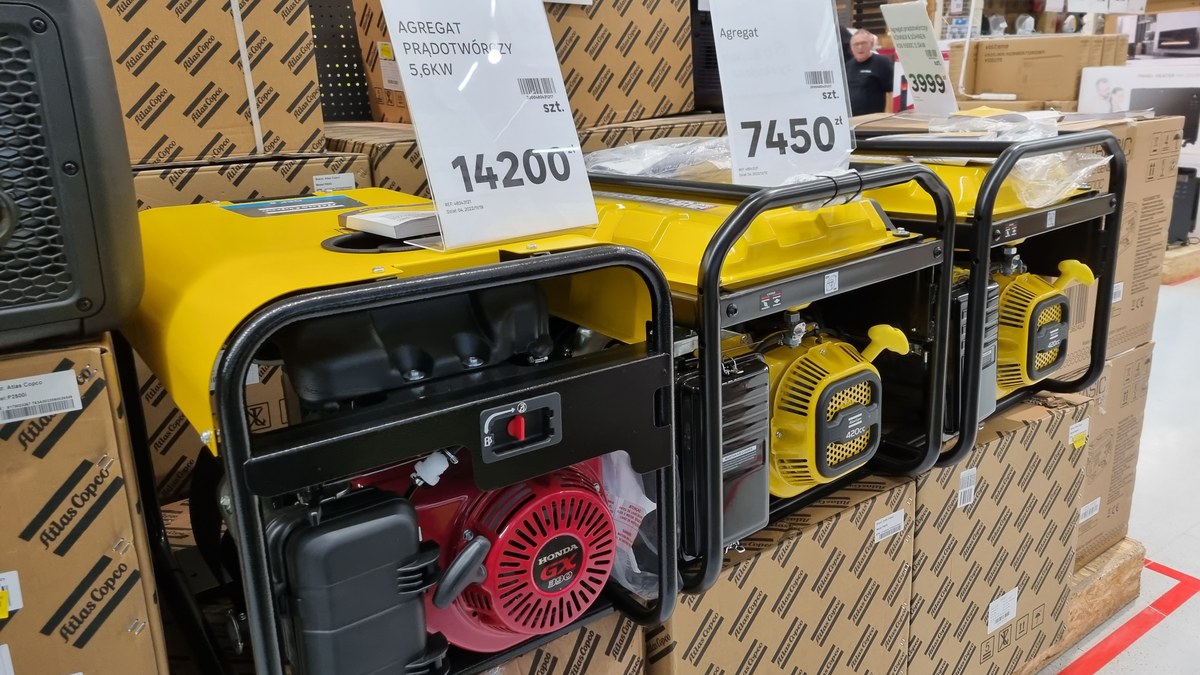
The power's been out since yesterday afternoon. Somebody wheels the generator into the garage, cracks the big door a foot for air, and the house finally starts to warm up. By supper, two of you have headaches and your granddaughter says her stomach feels off.
Don't blame the casserole. During an outage, headache, dizziness and nausea in several people at once means get everyone outside first and figure it out later. Carbon monoxide, or CO, can look a lot like the flu, and your nose won't warn you.
- ✓**Leave for fresh air.** Several sick people in one house is an emergency clue, especially during an outage.
- ✓**Put generators outside.** Keep one more than 20 feet from the house.
- ✓**Cover the sleeping areas.** CO alarms belong on every level and outside sleeping areas.
Why winter raises the CO risk
CO is made whenever fuel burns. That includes furnaces, fireplaces, portable generators, gas ranges, cars, charcoal grills, and other fuel-burning equipment. Cold weather closes windows and brings out backup equipment, so exhaust or a leak can build up indoors before anyone spots the problem.
The Consumer Product Safety Commission says more than half of U.S. non-fire CO deaths tied to consumer products occur in November, December, January, and February. That's the stretch when people are most likely to close up the house and improvise during an outage. In 2020, generators were connected with 92 CO deaths, more than any other product category. Portable heaters were linked to 33.
A gasoline generator can make as much CO as hundreds of cars. Opening the garage door a little doesn't fix that, and cracking a window isn't a safe substitute for putting the machine outdoors.
The flu-like clue families miss
Headache, dizziness, weakness, upset stomach, vomiting, chest pain, and confusion are among the CDC's common CO symptoms. They aren't specific, which is why somebody may blame a virus, bad leftovers, or an exhausting day.
Look at the pattern, not just one person's complaint. Two or more sick people, an ill pet, or symptoms that improve outside all point toward possible exposure. Someone asleep or impaired may die without recognizing what's happening.
Don't stay indoors hunting for the leak. Opening windows and sitting back down isn't enough. Get everyone into fresh air, then call for help from outside.
The generator belongs farther away than you think
Place a portable generator outdoors, more than 20 feet from windows, doors, and vents. Aim the exhaust away from the building. A home, basement, shed, porch, carport, or garage is never an acceptable operating spot, even with doors and windows open.
Keep the machine dry and follow its directions for fuel and cords. If snow or wind makes the location unsafe, wait for a safer setup or help. Convenience isn't a reason to roll it closer to the house.
An attached garage is unsafe for a car, too. Don't run the vehicle there, even with the door raised, because exhaust can fill the space and seep inside. You won't make it safe by waiting a few minutes or leaving the door cracked.
What a CO alarm can and can't do
An alarm is a backup, not a license to use equipment indoors. Install one where people sleep, on every level, and outside separate sleeping areas where its warning can be heard. If somebody sleeps deeply or uses hearing aids, decide ahead of time how that person will respond.
Press the test button monthly. When you change clocks in spring and fall, check the batteries. Replace the unit according to the manufacturer's directions, or every 5 years if no schedule is given. It can't make a dangerous setup safe, but it can buy your family a head start.
Six house-safety jobs worth doing
- Put alarms in the right places. Use battery-operated alarms or battery backup on every level and outside separate sleeping areas.
- Test before you need them. Press the button monthly, then replace batteries when needed and check them during the spring and fall clock changes.
- Replace old units. Follow the manufacturer's timing, or use 5 years as the replacement point when no schedule is provided.
- Service the equipment. Have the furnace, water heater, chimney, and other fuel-burning appliances checked yearly by a qualified technician.
- Clear the vents. After a storm, remove snow and debris from outside vents so exhaust can escape.
- Don't improvise heat. A gas oven, indoor charcoal, or an indoor grill isn't safe; fuel-burning equipment needs proper venting and outdoor space.
When an alarm sounds, don't silence it and go back to sleep. CO can't be seen or smelled, so the alarm may be your only warning.
When to call your doctor (or 911)
Even if everyone feels better outdoors, tell responders what happened. An exposed person may need medical evaluation, and responders need to locate the source before anyone returns home. You're not wasting anyone's time by making that report.
Test the CO alarms before the next outage. If a generator's involved, measure the distance instead of eyeballing it: more than 20 feet.
Fact-Checked Medical Sources
Last reviewed: November 2026 · Fact-checked & verified