You pull into the driveway in late afternoon, and it's already dark. The porch light is on a timer you forgot to reset. You sit in the car for a minute, looking at the warm square of the kitchen window.
Nothing is wrong, exactly. You just feel as if you're wading through mud. Shorter days can bring ordinary winter blues, but a low mood deserves attention when it sticks around and starts taking pieces of your life with it.
Here is the useful rule: symptoms that last more than 2 weeks or interfere with daily life are a reason to talk with your doctor. That helps separate a seasonal slump you can watch from possible seasonal depression that needs care.
- ✓**Watch the calendar.** If symptoms last more than 2 weeks or disrupt your life, call your doctor.
- ✓**Notice the season.** Winter-pattern SAD often starts in late fall or early winter.
- ✓**Use the daylight.** Routine, talk therapy, and light therapy may help.
When winter darkness changes your mood
Winter-pattern seasonal affective disorder, or SAD, usually starts in late fall or early winter, then eases in spring and summer. The National Institute of Mental Health describes SAD as depression with a recurring seasonal pattern. Episodes typically last about 4 to 5 months of the year.
That doesn't make every gray afternoon a disorder. When daylight disappears early, many people don't have as much energy, and those first dark evenings can knock a familiar routine off course. The concern grows when low mood comes with persistent sadness, hopelessness, loss of interest, trouble concentrating, changes in sleep or appetite, or a desire to avoid people.
Sleep, activity, meals, social contact, and past depression all shape how a season feels, so it's worth noticing your own pattern. Your doctor can help sort out SAD from depression that isn't seasonal, a sleep problem, or a medicine effect. You don't have to diagnose yourself from a checklist.
Winter-pattern SAD can also look different from the depression many people picture. NIMH lists oversleeping, weight gain, and cravings for sugary foods among symptoms that may appear in winter. You might call it hibernating, but a repeating pattern that makes work, housework, sleep, or family life harder needs attention.
A slump or seasonal depression?
| Ordinary winter blues | Possible seasonal depression |
|---|---|
| You feel a little down but can still care for yourself and handle normal responsibilities. The feeling lasts less than 2 weeks. | Symptoms last more than 2 weeks, become more severe, or disrupt work, sleep, relationships, or basic tasks. |
| You have less energy or some trouble sleeping, but you can still do things you enjoy. | You withdraw from people, oversleep, gain weight, or crave sugary foods, and the pattern keeps returning with the season. |
Use the table as a prompt, not a diagnosis. A person can have depression without matching every symptom, and your doctor will consider your health history, medicines, sleep, and other explanations. If the dark season is changing how you eat, sleep, work, or keep up with people, make the call instead of shrugging it off.
Who tends to feel the shift
People who live farther from the equator face higher risk because winter brings less daylight. A personal or family history of depression also raises the likelihood. Women are more likely than men to develop SAD, and younger people have a higher risk than older people.
Those patterns don't decide what happens to you. An older adult can develop winter-pattern SAD, and someone without a depression history can still have a hard season. The useful question is whether the change is persistent, repeating, and getting in the way.
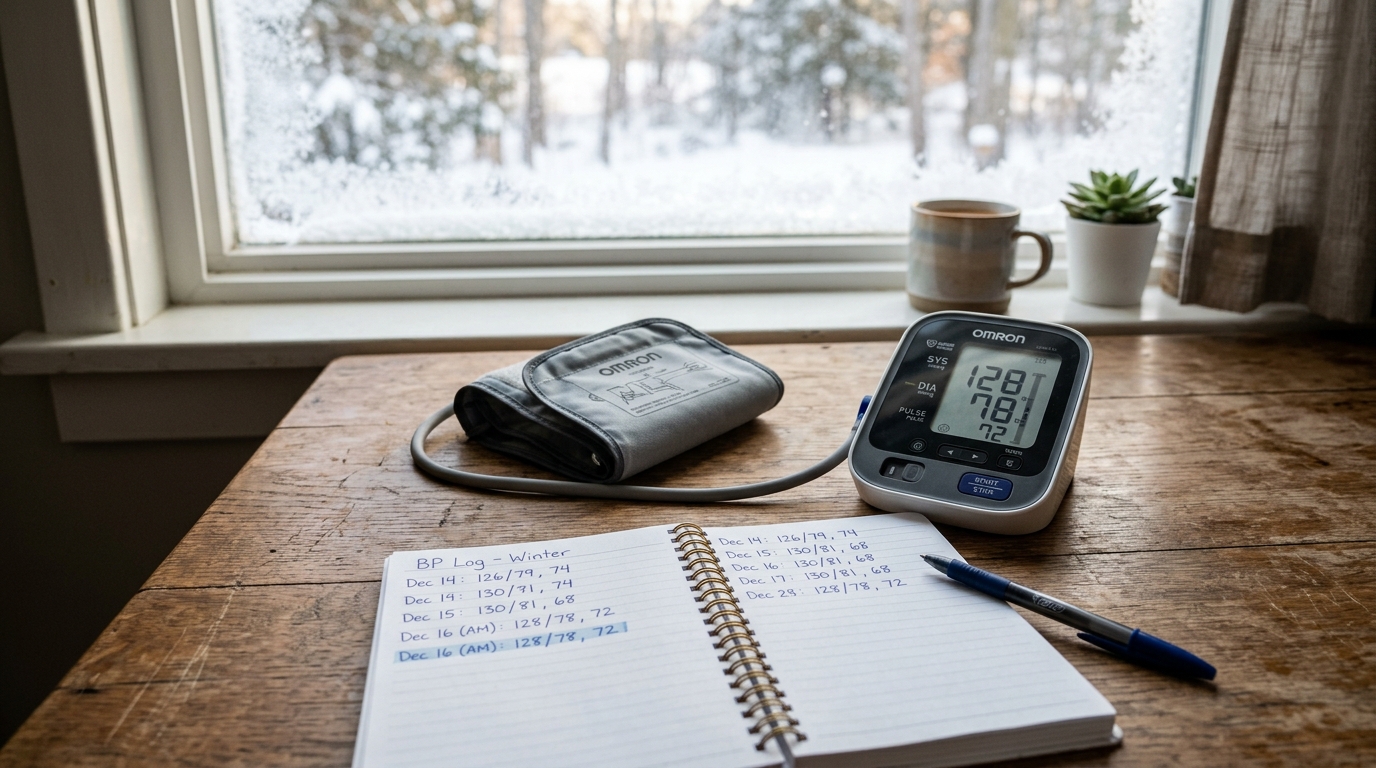
Keep a simple note for a few weeks. Record your mood, sleep, appetite, energy, and whether you're avoiding people or activities. A note beside the coffee maker is enough: slept poorly, skipped the walk, didn't call anyone, felt better by supper. Those details can help your doctor see a pattern instead of asking you to remember a whole season.
What can help when days get short
Start with the low-risk habits NIMH recommends for mild symptoms. Go outside in daylight. Spend time with family or friends. Do something you enjoy, eat regular nourishing meals, and don't fill the day with lots of sugary foods. These steps aren't a replacement for care if symptoms are severe or last beyond 2 weeks.
Light therapy is one treatment studied for winter-pattern SAD. NCCIH says it typically involves sitting in front of a light box for 20 to 60 minutes each morning. Many light boxes used for SAD provide 10,000 lux and filter ultraviolet light, but a light box isn't a casual lamp. Ask your doctor before starting one, especially if you have an eye condition or bipolar disorder.
Your doctor may also discuss talk therapy and medicines. Don't start, stop, or change a prescription on your own. Vitamin D levels can be low in people with SAD, but NCCIH says it's unclear whether vitamin D supplements improve SAD symptoms.
If you've had the same fall and winter pattern before, mention it early instead of waiting until you're barely managing. A morning walk with a neighbor may help, but it shouldn't be used to brush off symptoms that are growing more serious.
When to call your doctor (or 911)
If symptoms last more than 2 weeks, worsen, or disrupt sleep, work, family, or ordinary care at home, call your doctor. Bring notes about mood, sleep, appetite, and energy.
Pick one person to tell tonight. If the dark season's been taking more from you than it should, make the call before another week slips by.
Fact-Checked Medical Sources
Last reviewed: November 2026 · Fact-checked & verified