It is the cheapest piece of your heating system and the easiest one to forget. A furnace filter costs a few dollars, takes two minutes to change, and keeps dust out of the blower and out of the air you breathe.
The short answer: ENERGY STAR says to check your filter every month, especially in the heavy-use winter and summer months, and to change it when it is dirty, or at least every three months. The Department of Energy says the same thing in its own words: clean or replace furnace filters once a month or as recommended by the maker.
Why it matters
A furnace pulls air from the house, runs it through the filter, heats it, and pushes it back out. When the filter fills with dust, the system has to work harder to move the same air. ENERGY STAR says a dirty filter slows airflow, makes the system work harder, and wastes energy. Keeping it clean is one of the simplest things you can do for your heating bill.
How to find your filter
Most filters live in one of two places:
- In a slot at the furnace, usually on the side where the big return duct comes in, with a thin cover you slide off.
- Behind a return air grille in a wall or ceiling, held by a couple of clips or screws.
The size is printed on the edge of the old filter, such as 16 x 25 x 1. Write it down or take a phone photo before you go to the store.
How to change it
How to tell it's dirty
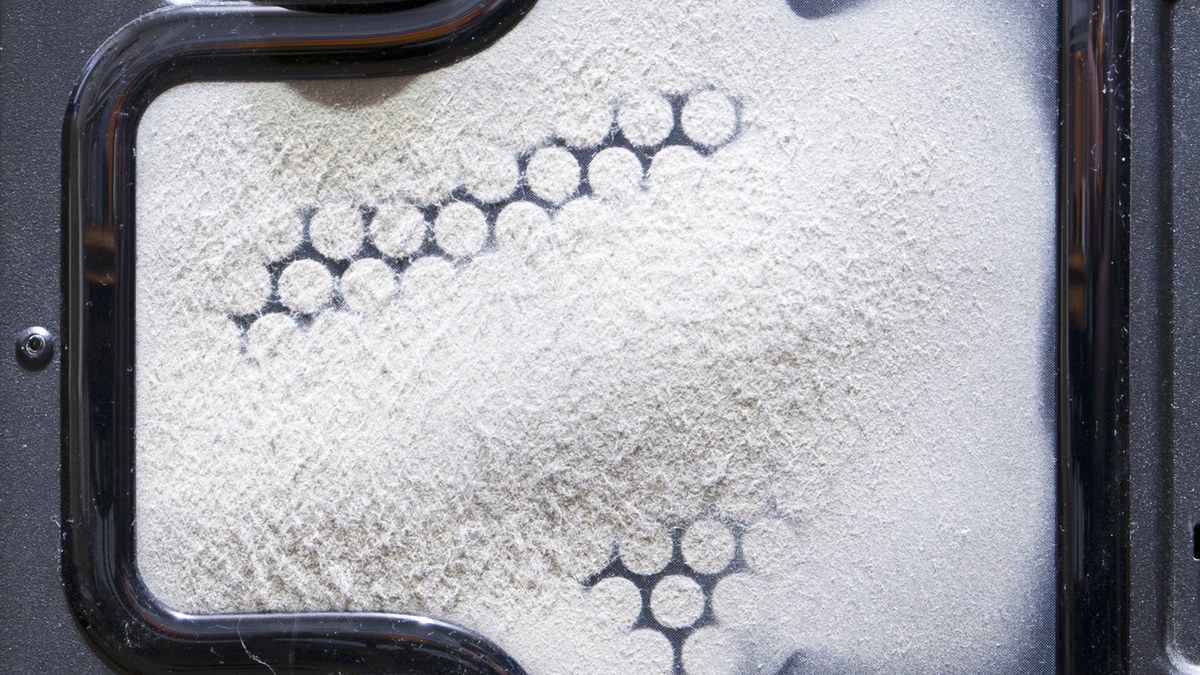
Pull it out and look. A new filter is white or light colored. If it has gone gray, you can see a layer of dust, or you can't see light through it when you hold it up, change it. The EPA says filters should be replaced more often when they are heavily loaded, and things like pets, dusty projects, and remodeling can fill a filter faster.
If you run a woodshop in the basement or an attached garage, check monthly without fail. Sawdust loads a filter quickly.
What does MERV mean?
The number on the package is a MERV rating, short for Minimum Efficiency Reporting Value. The EPA explains that it runs on a scale of 1 to 16, and higher numbers catch more small particles.
The EPA recommends a filter rated MERV 13 or higher, or the highest rating your system's fan and filter slot can handle. That last part matters. Some older systems are not built to push air through a tighter filter. If you are not sure, check the furnace manual or ask your heating technician at the next tune-up.
What about thick filters?
Some systems use a 4 or 5 inch deep media filter instead of a 1 inch one. Makers often say these last about 6 to 12 months, but that depends on your house, your pets, and how much the system runs. Check it monthly anyway and follow the manufacturer's label.
Washable filters
Some homes have a washable or permanent filter. Follow the maker's cleaning directions, and let it dry completely before putting it back in.
Don't skip the yearly checkup
ENERGY STAR also recommends having a contractor do a pre-season checkup of your heating system every year, ideally in the fall. A technician can catch worn parts, check the burners, and make sure the filter you are using fits the system.
Quick version
- Check the filter on the first of every month.
- Change it when it looks dirty, and at least every 3 months.
- Arrow toward the furnace.
- Buy a few at a time so you are never caught without one.
- Annual heating checkup in the fall.
Plenty of us grew up with a big furnace in the basement that nobody touched until it quit. Today a two minute filter check once a month does more for that furnace than any amount of worrying. Put a reminder on the calendar and keep a spare filter on the shelf.