When America Rationed Coffee: November 29, 1942
On November 29, 1942, Americans over 15 could buy one pound of coffee every five weeks, starting with stamp No. 27. Here is why, and how the country made it last.
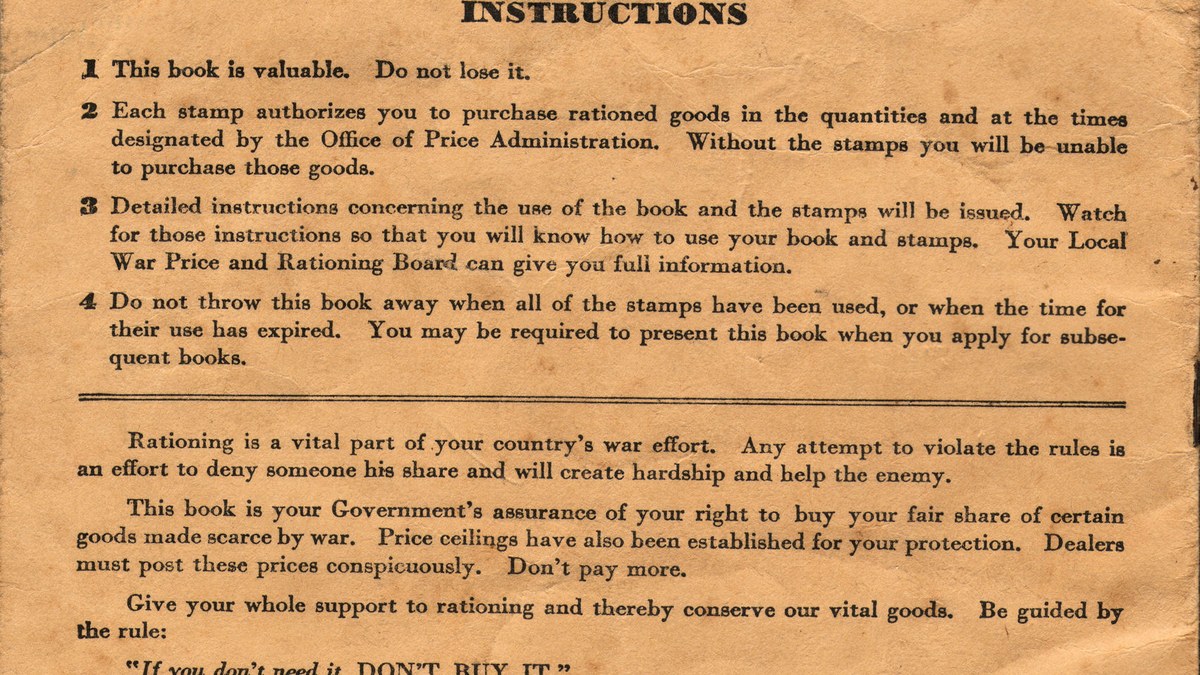
The stamp was No. 27.
It sat in War Ration Book One, the ration book first issued for sugar. Starting on Sunday, November 29, 1942, that stamp was good for one pound of coffee. The next one, No. 28, would come later. Anyone over 15 got a ration. The ration was the same for each eligible person: one pound every five weeks.
A coffee explainer printed in the Eugene, Oregon, Register-Guard nine days earlier summed up the problem in three short phrases: "They can't ship it . . . we can't roast and pack it . . . you can't drink it."
The reason for it had nothing to do with the coffee crop.
More American Memories
Explore Our "Remember When" Archive of Treasured Decades →Plenty of coffee, not enough ships
The farms were doing fine. The National Park Service notes that Central and South America had bumper crops when the war began. The trouble was getting the beans north.
Most of America's coffee came by sea. In May 1942, TIME reported that at least half of it came from Brazil and another quarter from Colombia. German U-boats were sinking ships in the Atlantic and the Caribbean, and the cargo ships that were left were needed for the war. TIME counted four Brazilian freighters among the ships lost by that spring.
The government tried smaller steps first. In the spring of 1942, the War Production Board limited coffee deliveries to large retailers and restaurants to 75 percent of what they had been a year earlier. In September, according to the Park Service, the restriction tightened to 65 percent. Then the Office of Price Administration moved to ration coffee for consumers.
The week with no coffee
Before the stamps came a pause. The Register-Guard's explainer told readers that coffee sales to consumers would stop from midnight November 21 until midnight November 28. The idea was to keep people from buying up what was left and to give grocers time to restock their shelves.
The rules covered more than kitchens. Restaurants, hospitals, schools, and defense plants applied to their local ration boards for coffee certificates. Coffee for the armed forces was exempt from the civilian ration. "Coffee to every branch of the Service is exempt from rationing," the explainer said.
The rule about the coffee in your cupboard
The rules also covered families who had stocked up before the freeze.
On November 15, a deputy administrator at the Office of Price Administration explained the rule. "The coffee rationing regulations will provide that each consumer must retain in his ration book for later surrender, a coffee stamp for each pound of coffee he possesses in excess of one pound."
In other words, a single eligible person with three pounds in the pantry on November 28 could keep one pound free and clear, and the other two counted against future stamps. You would hand those stamps back later. Stamps in the books of children under 15 also had to stay in the books for that purpose.
In December, the agency added that a household sharing coffee could count its supply as a family, one pound per eligible person.
Four cups can serve five
So Americans learned to stretch it.
Life magazine ran advice in its November 30, 1942, issue. "Four cups can serve five," it said. Pour a little less, and the pound lasts longer. Some people tried double dripping, running hot water over grounds a second time. By the Park Service's account of the Life article, that could raise the yield by about 30 percent, though the coffee could turn bitter.
Others added chicory. The same article, the Park Service says, recommended half an ounce of chicory per pound of coffee to stretch the yield about 30 percent without much change in taste. Postum and other roasted grain drinks filled in too.
The Park Service notes that restaurants that had once kept refilling cups started serving just one. People who did not drink coffee sometimes passed their stamps along to people who did, which, the Park Service adds, was strictly speaking illegal.
Down to six weeks
The pinch got tighter before it got better. In February 1943, the ration dropped to one pound every six weeks. TIME reported that lower inventories and military demand meant the same pound now had to last a week longer.
Then the war at sea began to turn.
"We are able to terminate the rationing of coffee"
On the evening of July 28, 1943, President Franklin D. Roosevelt gave a radio address on the progress of the war. Partway through, he gave the country some good news at home: "tonight we are able to terminate the rationing of coffee."
The reason, he said, was more merchant shipping. A Tennessee newspaper the next morning repeated the explanation and pointed to fewer ships lost and more U-boats destroyed.
Coffee rationing had lasted eight months. In September 1944, the government raised the price of coffee to hold down demand rather than bring the stamps back.
- Ration books turn up in family drawers, estate sales, and museum collections. The ones in archives show just how small that little book was.
-
🏛️
War Ration Book No. 3, Smithsonian National Museum of American History, in its online collection (not on display): americanhistory.si.edu ↗
-
🏛️
The First War Ration Book, the sugar book later used for coffee, Library of Congress: loc.gov ↗
-
🏛️
"Coffee Rationing on the World War II Home Front," National Park Service: nps.gov ↗
-
🏛️
Rosie the Riveter WWII Home Front National Historical Park, Richmond, California: nps.gov ↗
Join the Conversation
"Did your parents or grandparents ever tell you about ration books, or keep one in a drawer?"
DailyVibeX American History Community
- National Park Service, "Coffee Rationing on the World War II Home Front": https://www.nps.gov/articles/000/coffee-rationing-on-the-world-war-ii-home-front.htm ↗
- National Park Service, "Restrictions and Rationing on the World War II Home Front": https://www.nps.gov/articles/000/restrictions-and-rationing-on-the-world-war-ii-home-front.htm ↗
- Office of Price Administration, "Rationing in World War II" (1946), via GovInfo: https://www.govinfo.gov/content/pkg/GOVPUB-PR32_4200-1047d95249033e6e95c00c064115000e/html/GOVPUB-PR32_4200-1047d95249033e6e95c00c064115000e.htm ↗
- Office of War Information, Victory bulletin, November 17, 1942, via GovInfo: https://www.govinfo.gov/content/pkg/GOVPUB-PR32_5000-9fabc2452ac0c2f5cb1b596d0276121b/html/GOVPUB-PR32_5000-9fabc2452ac0c2f5cb1b596d0276121b.htm ↗
- Office of War Information, Victory bulletin, May 5, 1942, via Western Kentucky University: https://digitalcommons.wku.edu/cgi/viewcontent.cgi?article=1018&context=victory ↗
- Eugene Register-Guard, November 20, 1942, p. 2, via Historic Oregon Newspapers: https://oregonnews.uoregon.edu/lccn/sn85042472/1942-11-20/ed-1/seq-2/ ↗
- Capital Journal (Salem, Oregon), December 12, 1942, via Historic Oregon Newspapers: https://oregonnews.uoregon.edu/lccn/sn90066132/1942-12-12/ed-1/seq-3.pdf ↗
- Scarsdale Inquirer, November 27, 1942, via HRVH Historical Newspapers: https://news.hrvh.org/veridian/?a=d&d=scarsdaleinquire19421127.2.16 ↗
- TIME, "Commodities: Coffee Next," May 25, 1942: https://time.com/archive/6765990/commodities-coffee-next/ ↗
- TIME, "U.S. At War: Rationing Comes of Age," February 15, 1943: https://time.com/archive/6771817/u-s-at-war-rationing-comes-of-age/ ↗
- Life, November 30, 1942: https://www.siamcostumes.com/cutters_guides/pdf/life-by-time-inc-published-november-30-1942.pdf ↗
- American Presidency Project, Franklin D. Roosevelt, Fireside Chat, July 28, 1943: https://www.presidency.ucsb.edu/documents/fireside-chat-1 ↗
- Putnam County Herald, July 29, 1943, via Tennessee Tech: https://tntech.access.preservica.com/download/file/IO_f2b5e9db-bfcc-4873-8492-ec72d5d4fb41 ↗
- University of Tennessee, "World War II: Coffee Rationing": https://volopedia.lib.utk.edu/entries/world-war-ii-coffee-rationing/ ↗
- U.S. Department of State, Foreign Relations of the United States, 1943, Brazil coffee: https://history.state.gov/historicaldocuments/frus1943v05/d636 ↗
- Library of Congress, First War Ration Book: https://www.loc.gov/item/2017700609 ↗
- Library of Congress, War Ration Book No. 3 photograph: https://www.loc.gov/item/2017697619 ↗
- Library of Congress, Ann Rosener, coffee-shortage campaign photograph, December 1942: https://www.loc.gov/item/2017836584 ↗
- Smithsonian National Museum of American History, War Ration Book No. 3: https://americanhistory.si.edu/collections/object/nmah_1175696 ↗
Sponsored Historical & Heritage Features
Step Into Pine Hollow: 20 Complete American Stories
Warm, character-rich tales of small-town resilience, family heirlooms, and neighborly kindness.
Explore All 20 Stories →More Surprising American History
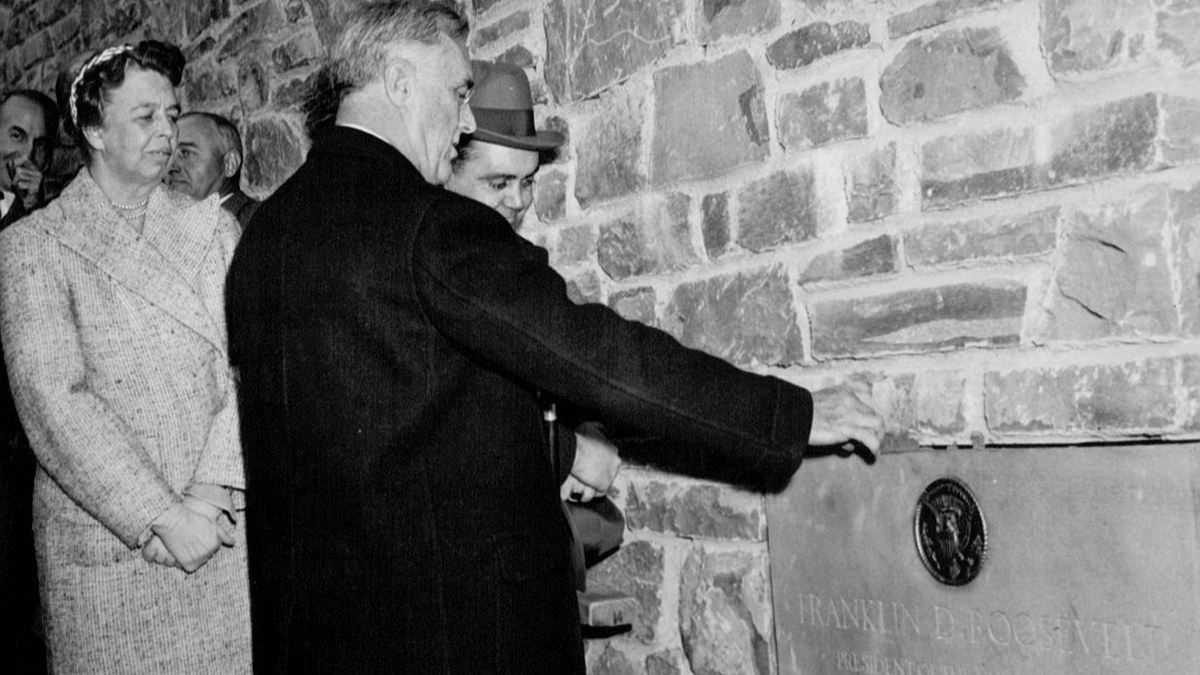
Franksgiving: The Year FDR Moved Thanksgiving
In 1939, President Roosevelt moved Thanksgiving up a week to help stores. The states split over which Thursday to keep. Here is how the holiday ended up on the fourth Thursday.
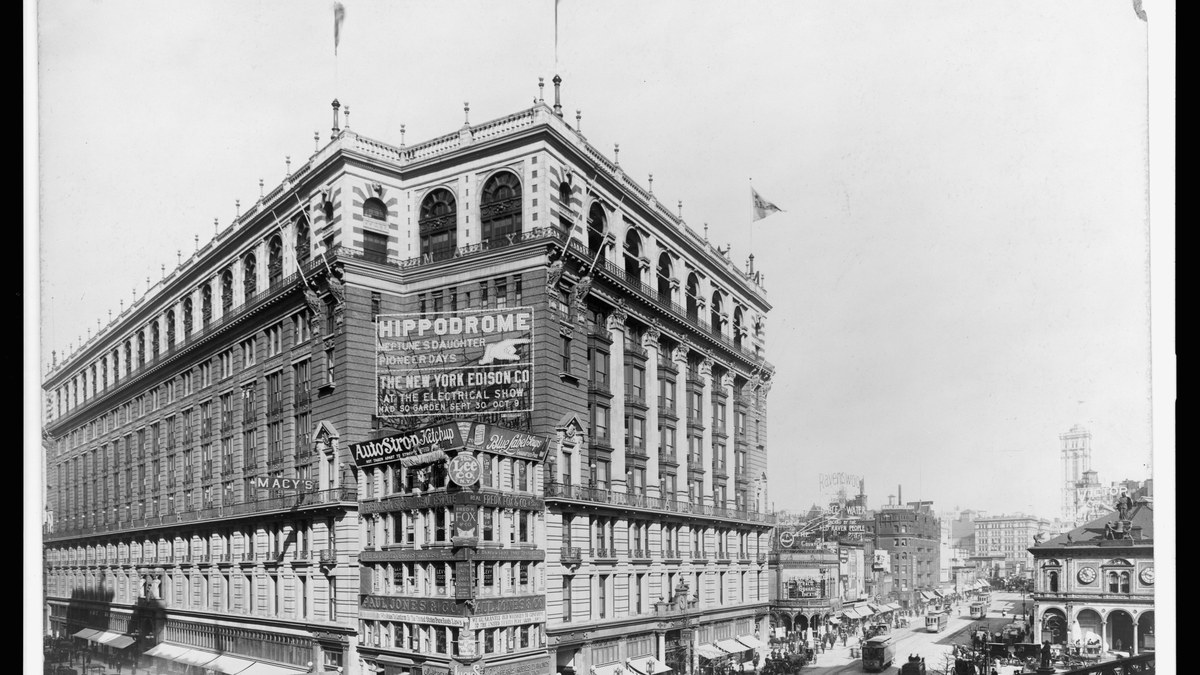
The First Macy's Thanksgiving Parade, 1924
The first Macy's parade, on Thanksgiving morning in 1924, was billed as a Christmas parade, and it ended at a store window. Here is what the newspaper saw that day.
Did Paul Revere Really Shout "The British Are Coming"?
The line everyone learned isn't in any of Revere's own accounts. What he did that night, in his own words, is a better story than the poem.